Abstract Submission Now Open! — Deadline: 30 Sep 2026. Submit →
Home About Themes Key Dates Speakers Venue Tourism Contact
Register Now Submit Abstract
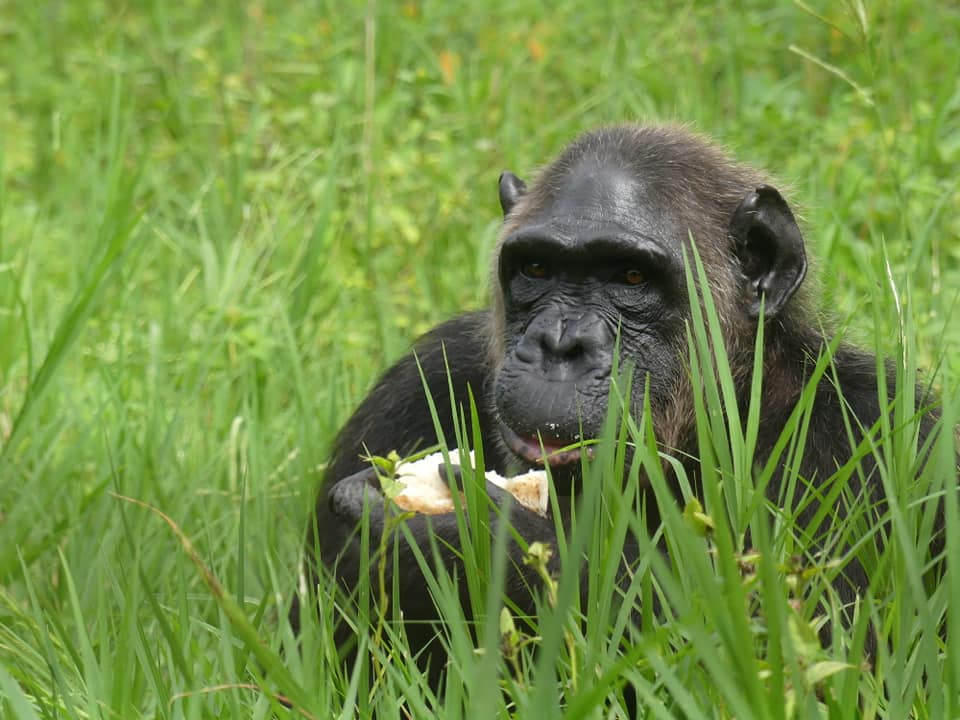
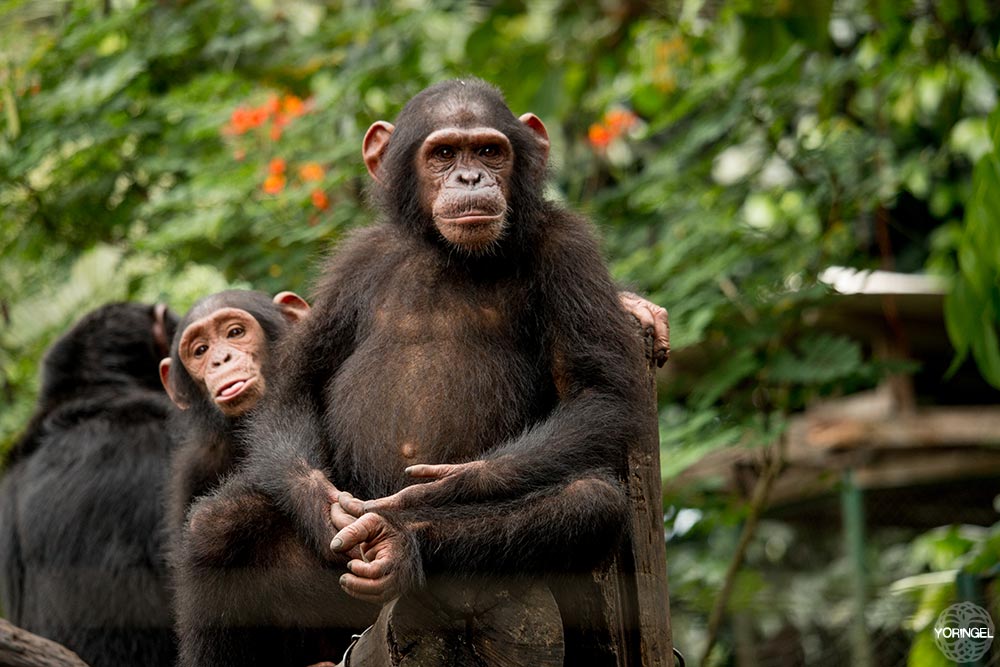
Chimpanzee at Limbe Wildlife Centre
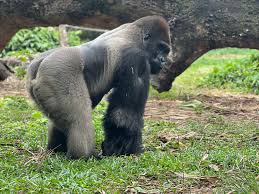
Western Lowland Gorilla
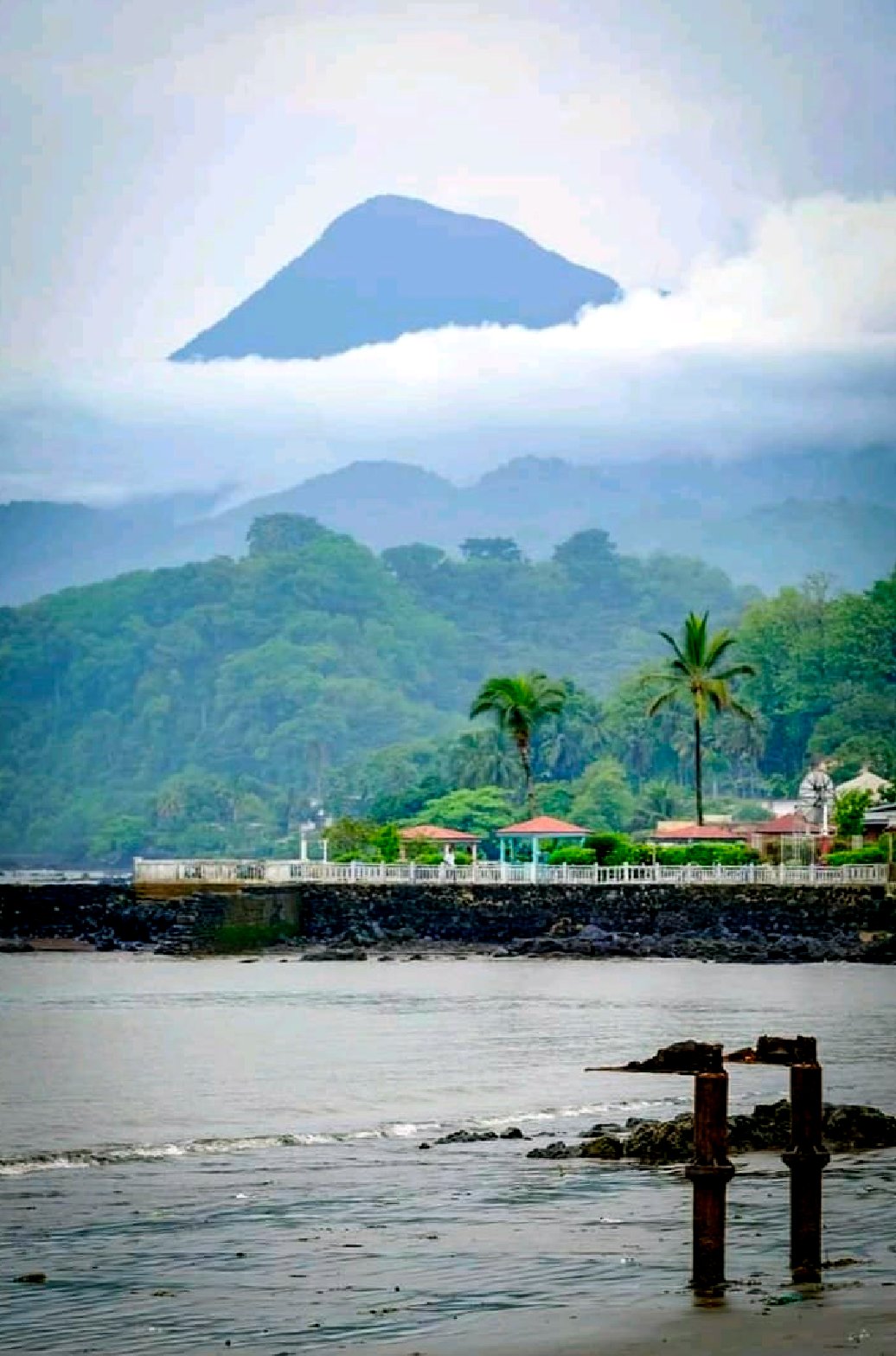
Limbe Beach
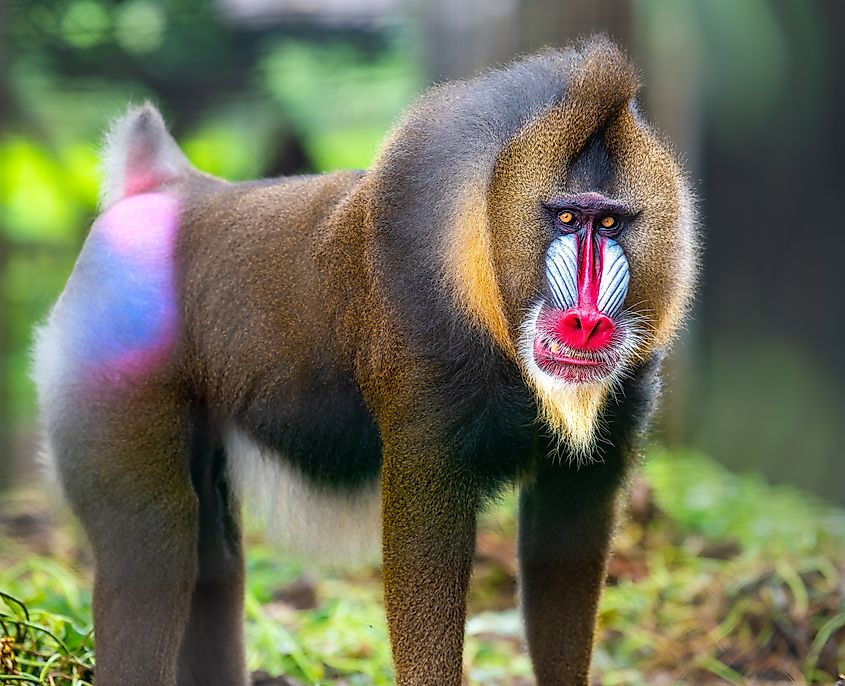
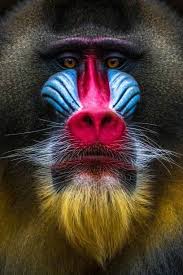
Drill Monkey
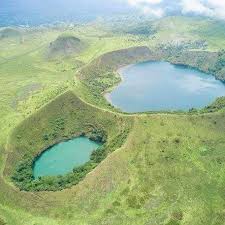
Mount Etinde Twin Lakes
CBS 2026 · Buea & South West Region

Africa in its
Purest Form

Beyond the science, CBS 2026 places you at the doorstep of some of the most extraordinary wildlife, landscapes, and cultural heritage on the African continent.

4,095mMount Cameroon
500+Bird Species
~70kmFrom Douala
3Protected Areas Nearby
Explore
The South West Region of Cameroon is one of Africa's most biodiverse and scenically dramatic corners — home to an active stratovolcano, rare great apes, volcanic beaches, crater lakes, and a vibrant coastal city. CBS 2026 delegates will have the unique opportunity to experience all of this as part of their visit to the University of Buea.

Great Apes
Active Volcano
Volcanic Beaches
Birdwatching
Cultural Sites
01

Limbe Wildlife Centre

Africa's premier sanctuary for rescued and rehabilitated great apes and endangered primates — just 30 minutes from Buea.

Wildlife Sanctuary
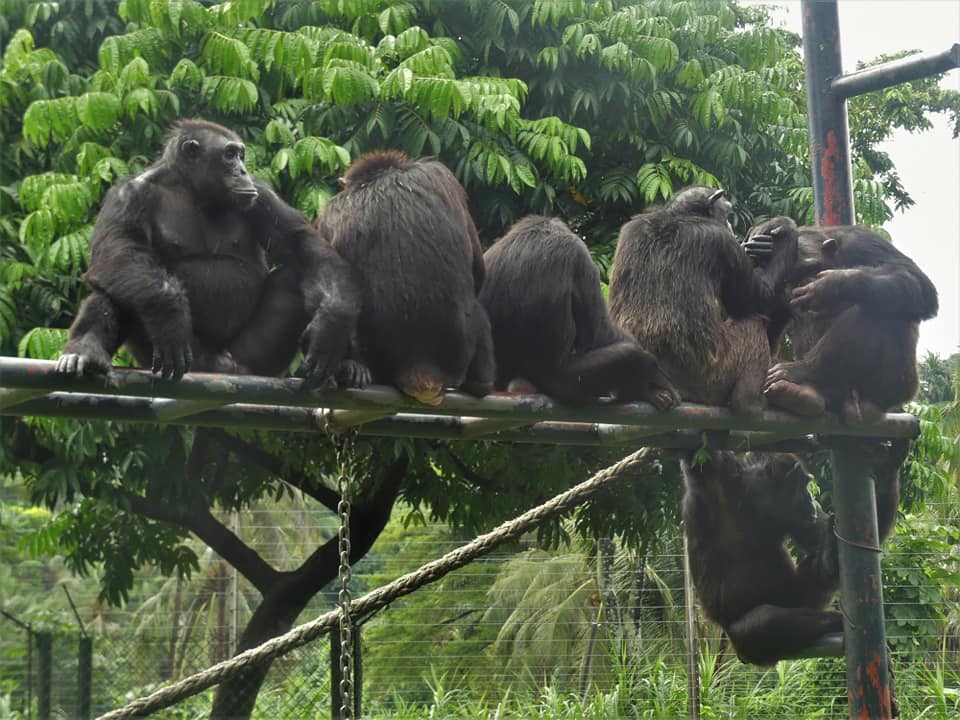
Chimpanzee at Limbe Wildlife Centre Endangered
Limbe Wildlife Centre

Common Chimpanzee

Pan troglodytes — our closest living relative, sharing 98.7% of human DNA

Chimpanzee group at Limbe
Social Behaviour

Chimpanzee Social Group

Rescued from the illegal wildlife trade — now thriving at LWC

Chimpanzee resting
Sanctuary Life

At Rest in the Grassland

LWC provides lifetime sanctuary for animals that cannot be returned to the wild

Drill Monkey Endangered
Limbe Wildlife Centre

Mandrill — Mandrillus sphinx

One of Africa's most endangered primates, endemic to the Cross River–Cameroon forests

Gorilla at Limbe Critically Endangered
Great Apes

Western Lowland Gorilla

Gorilla gorilla gorilla — fewer than 100,000 remain in the wild

🦍

Great Apes

Chimpanzees, gorillas, and drills — all critically threatened and all found at LWC.

📍

30 min from Buea

Located in Limbe town, a short drive along the scenic Buea–Limbe highway.

🌿

Conservation Mission

Founded in 1993, LWC has rehabilitated hundreds of animals rescued from illegal trade.

🔬

Research Partner

Active research site for primatology, ethology, and wildlife veterinary science.

02

Landscapes & Natural Wonders

From volcanic craters and highland lakes to misty Atlantic beaches — the South West Region is a geography lesson you will never forget.

Nature & Scenery

Where Volcano Meets Ocean

Mount Cameroon (4,095 m) — Africa's highest peak west of the Rift Valley and one of its most active volcanoes — towers directly above Buea and Limbe. Its slopes are covered in montane forests of extraordinary biodiversity.

The mountain's flanks descend all the way to the Atlantic coast, where Limbe's unique black volcanic sand beaches meet the Gulf of Guinea. Above the cloud line, crater lakes and highland meadows offer otherworldly scenery.

Mount Cameroon — UNESCO Biosphere Reserve
Mount Etinde — Twin Crater Lakes (Ywin Lakes)
Limbe Black Sand Beach — volcanic coastline
Bongo Square viewpoint — panoramic mountain vista
Mount Etinde Twin Lakes
Mount Etinde · UNESCO Biosphere Reserve

Twin Crater Lakes — Ywin Lakes

Aerial view of the volcanic crater lakes on Mount Etinde (1,713m)

Limbe Black Sand Beach
Limbe · Atlantic Coast

Black Sand Beach

Volcanic basaltic sand — unique on the African Atlantic coast

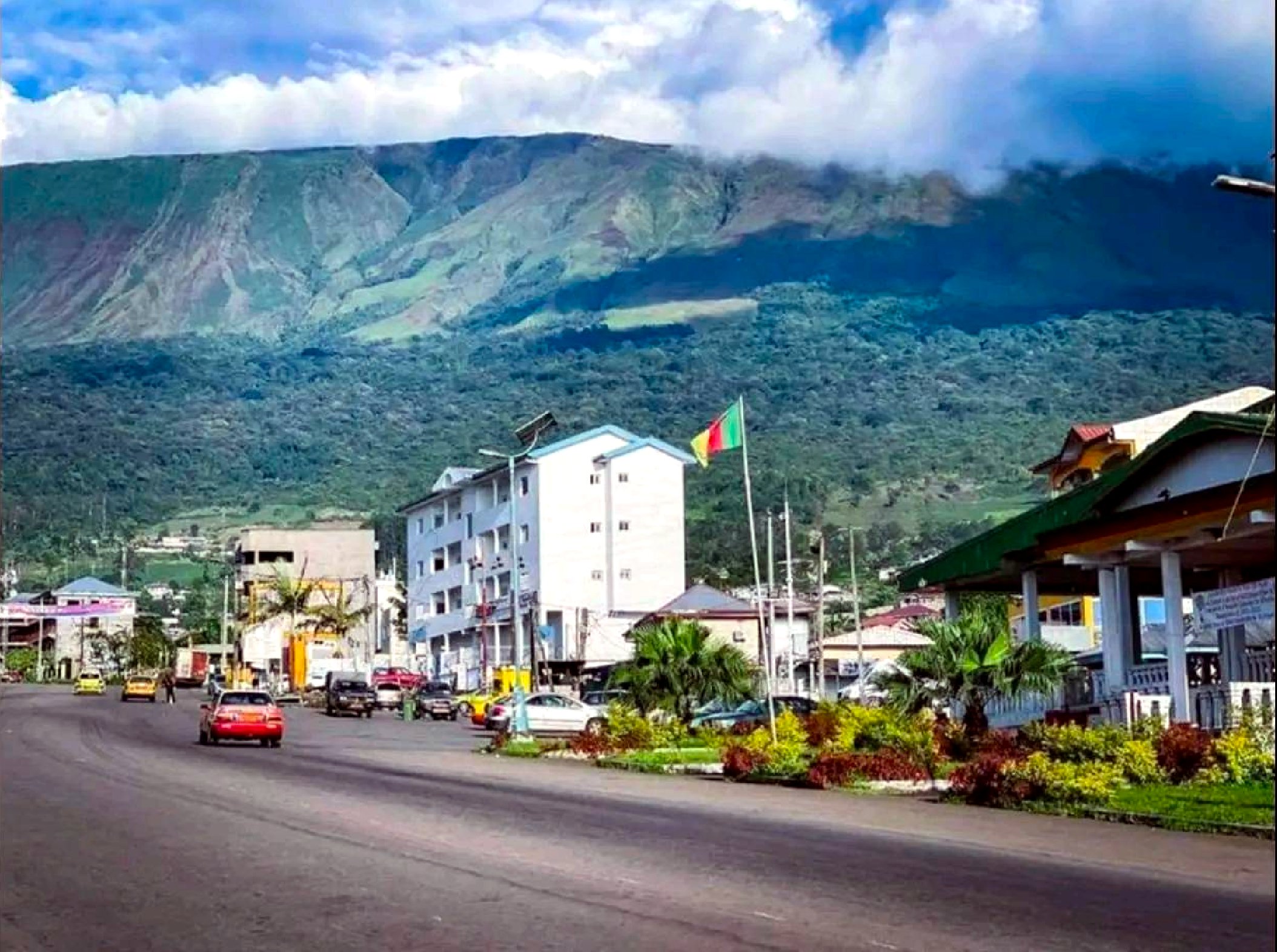
Mount Cameroon view from Bongo Square
Buea Town · Bongo Square

Mount Cameroon — 4,095m

Africa's highest active volcano, towering above Buea and Limbe

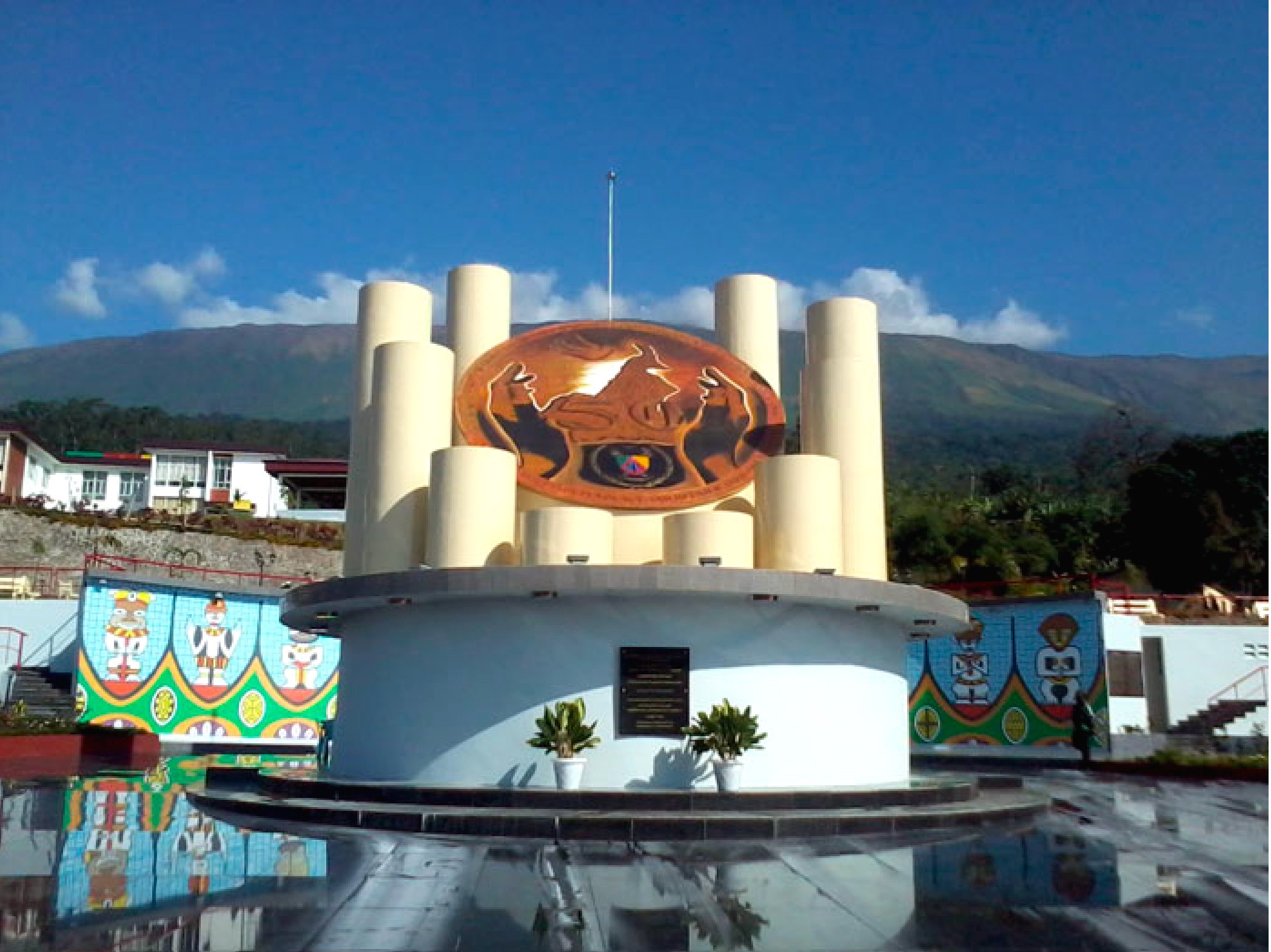
Cameroon 50 Years Monument
Buea · Cultural Heritage

Independence Monument

A symbol of Cameroonian nationhood, with Mount Cameroon as backdrop

03

Bimbia Slave Port

One of West Africa's most significant colonial heritage sites — the haunting ruins of a 19th-century slave trading post, 15 km from Buea on the shores of the Mungo Estuary.

Historical Heritage

The Bimbia Slave Port is a UNESCO-listed heritage site near Limbe, Cameroon, and one of the most important sites of memory in Central Africa. Between the 17th and 19th centuries, Bimbia served as a major embarkation point from which thousands of enslaved Africans were shipped across the Atlantic.

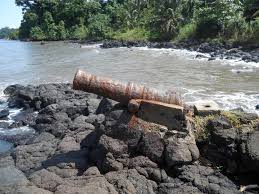
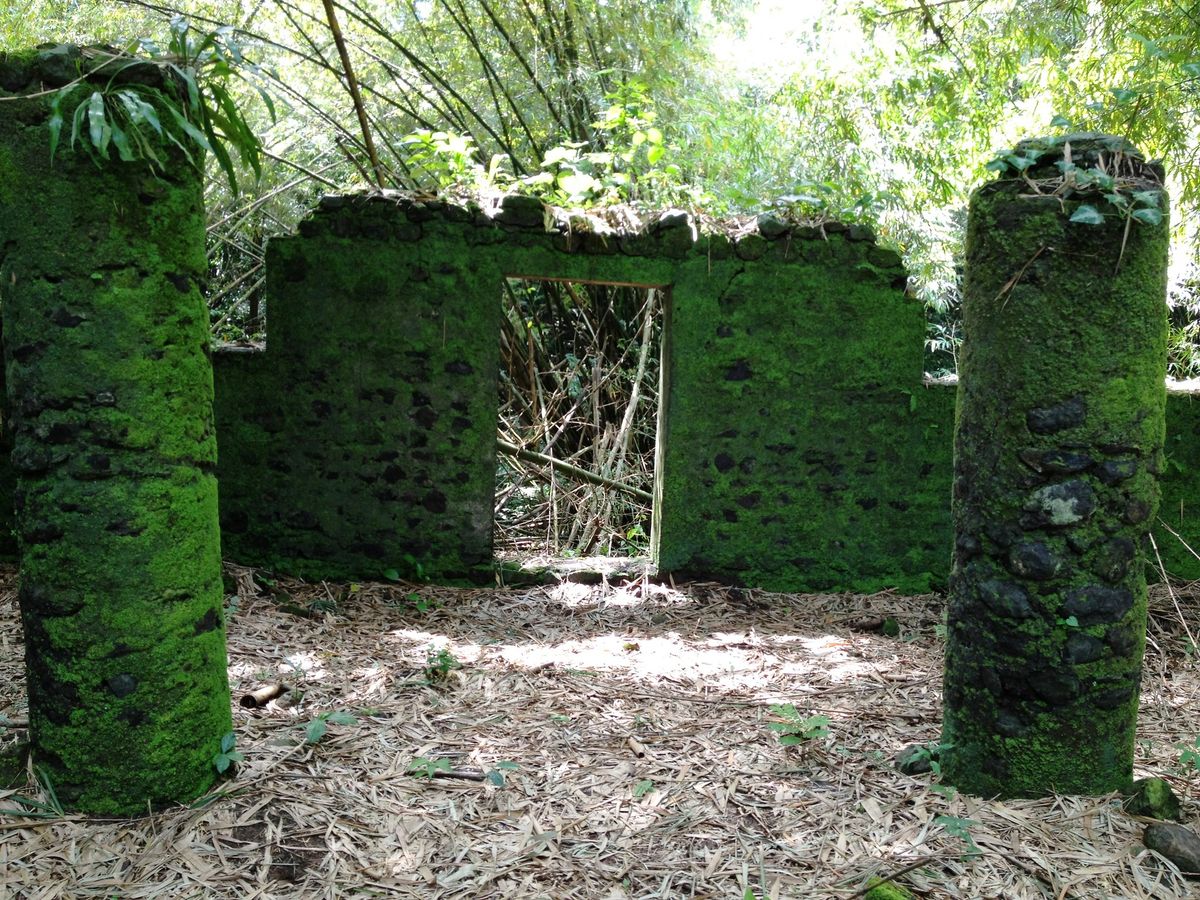
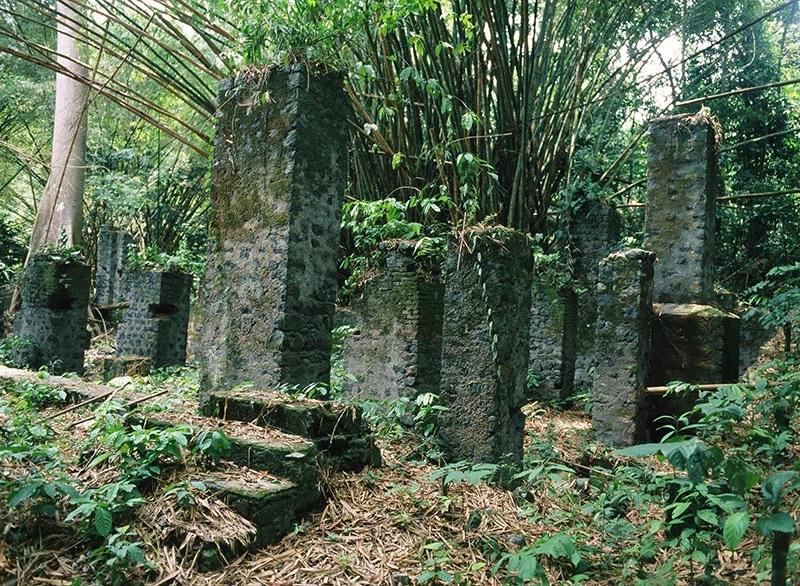
Today the site preserves the ruins of slave holding structures — moss-covered stone walls, standing columns, and the remains of the port — as a powerful testimony to this chapter of history. A rusted colonial cannon remains on the volcanic rocks at the water's edge.

Bimbia is also of ecological significance, situated within mangrove forests and coastal wetlands that support rich biodiversity — of direct relevance to CBS 2026 delegates interested in coastal ecology and conservation.

UNESCO Heritage Site
~15 km from Buea — 25 min drive
Easily combined with Limbe Wildlife Centre visit
Mangrove & coastal wetland ecosystem
Colonial cannon at Bimbia
Bimbia · Mungo Estuary

The Colonial Cannon

A rusted 19th-century cannon on volcanic rocks — a witness to the slave trade era

Bimbia ruins with moss
Slave Holding Ruins

Moss-Covered Walls

Stone walls reclaimed by the tropical forest over centuries

Stone columns at Bimbia
Colonial Architecture

Standing Stone Columns

Volcanic rock and mortar columns of the 18th-century trading post

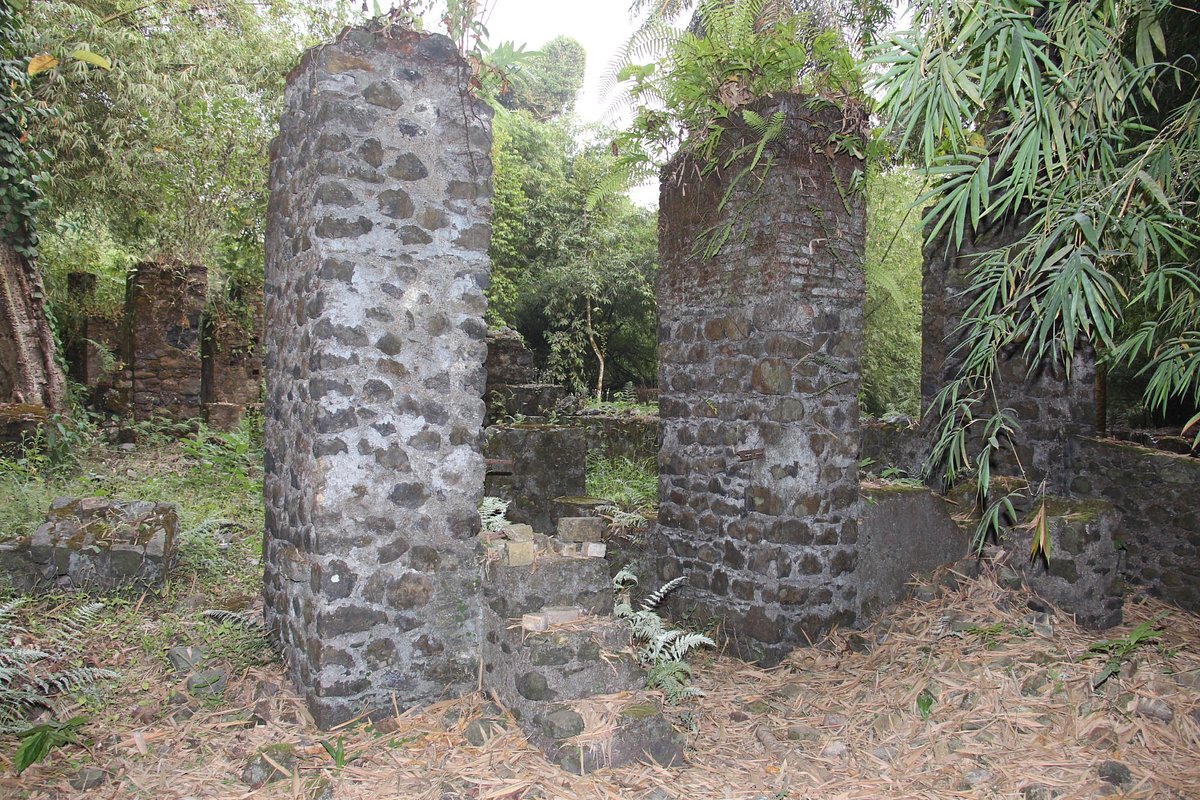
Bimbia ruins close-up
Basalt & Mortar

19th-Century Stonework

Basalt construction — the volcanic rock of the Mount Cameroon region

Atlantic Slave Trade

A key embarkation point for enslaved Africans shipped across the Atlantic during the 17th–19th centuries.

🏛️

UNESCO Heritage

Recognised for outstanding historical significance in the narrative of the transatlantic slave trade.

📍

15 km from Buea

Easily combined with a visit to Limbe Wildlife Centre and Limbe's black sand beaches.

🌿

Mangrove Ecosystem

Set within coastal mangrove forests and wetlands of significant ecological and conservation value.

04

University of Buea — The Host Campus

Sprawling across 400 hectares of lush terrain at the foot of Mount Cameroon, the University of Buea campus is itself a destination — green, tranquil, and architecturally distinctive.

Conference Venue
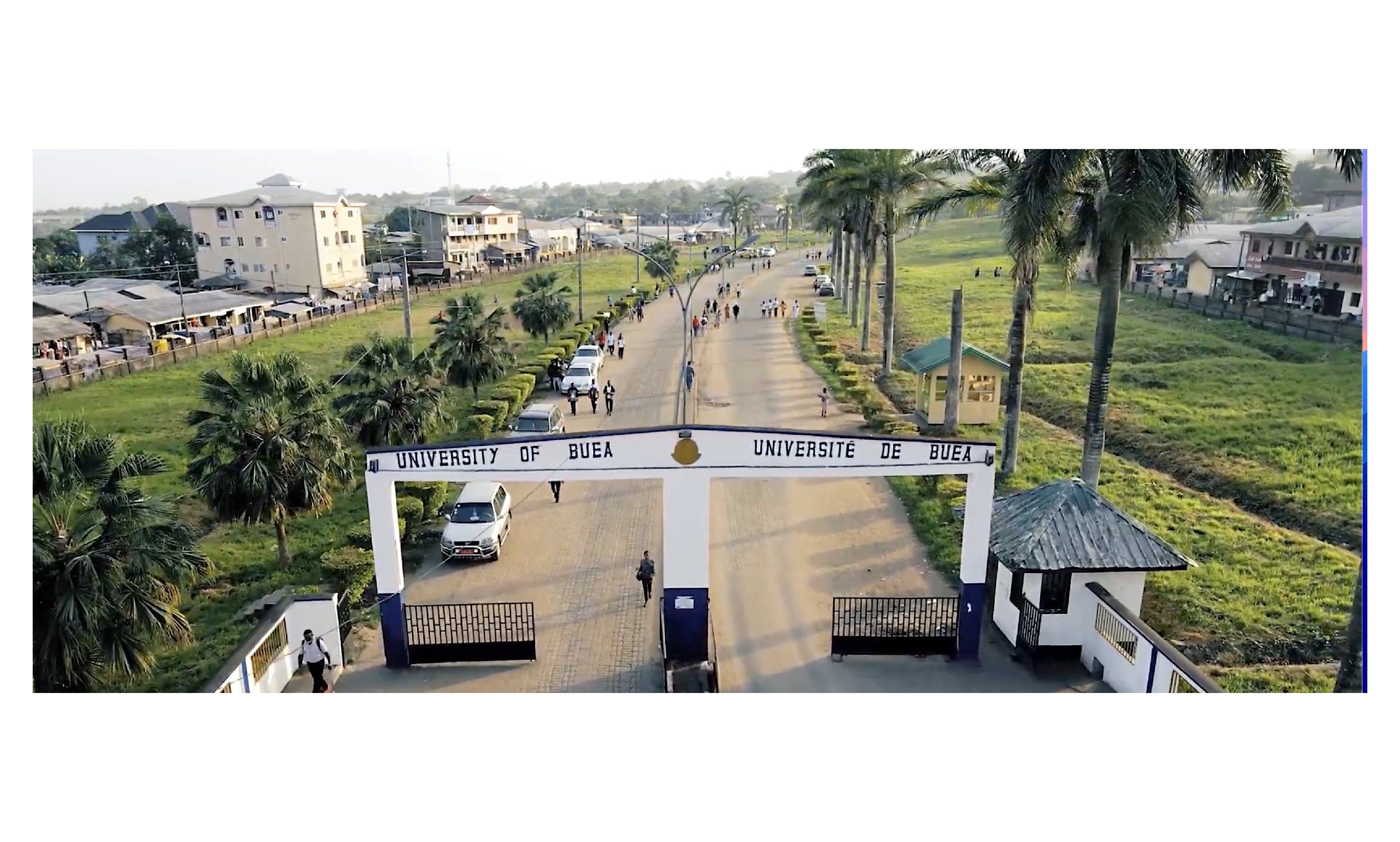
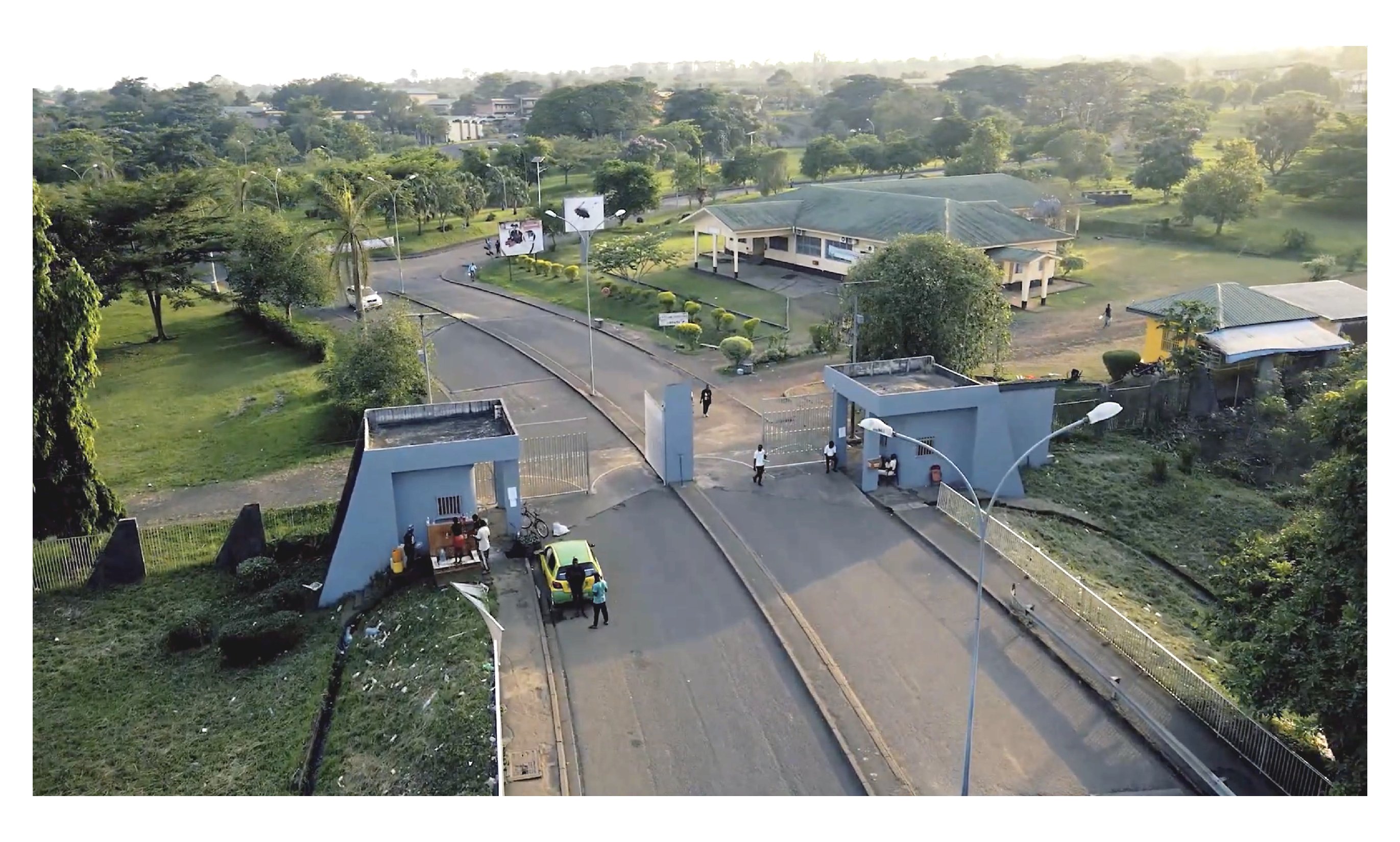
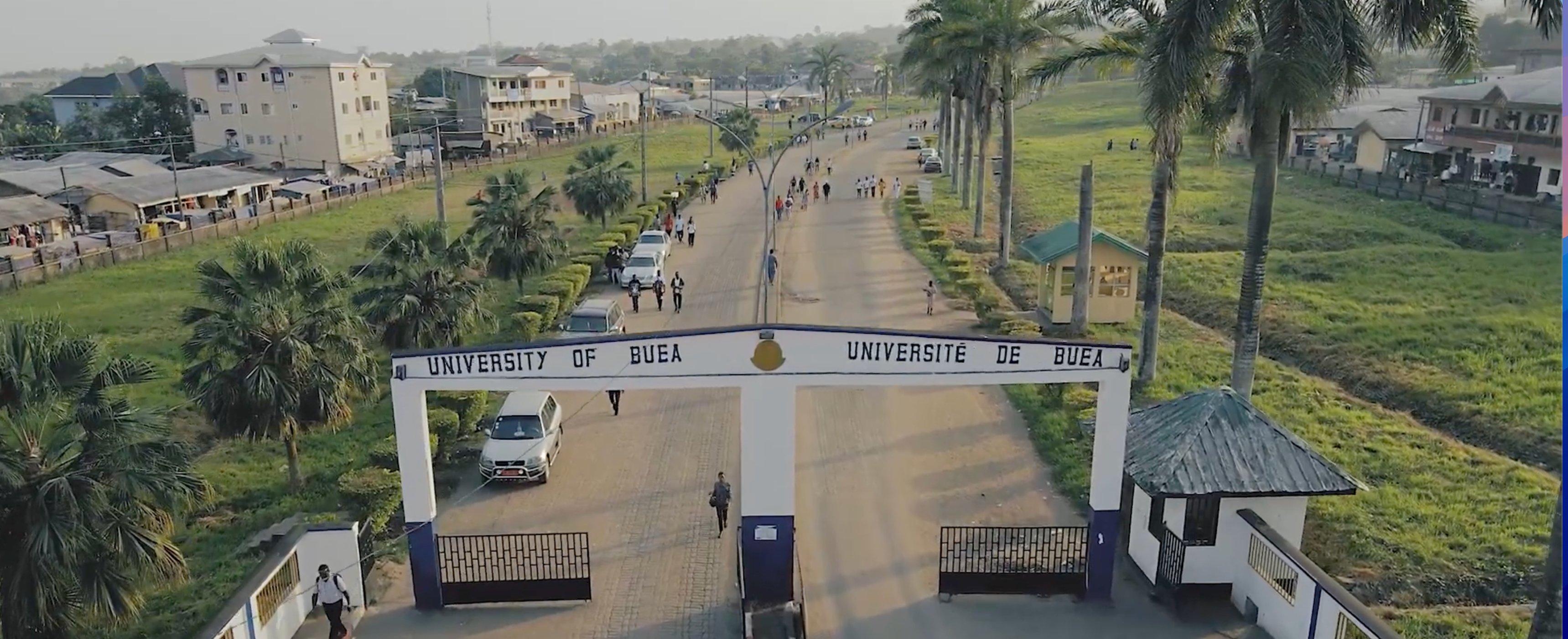
University of Buea Main Entrance
Main Entrance · Molyko

University of Buea — Main Gate

The iconic bilingual entrance to Cameroon's first Anglophone state university

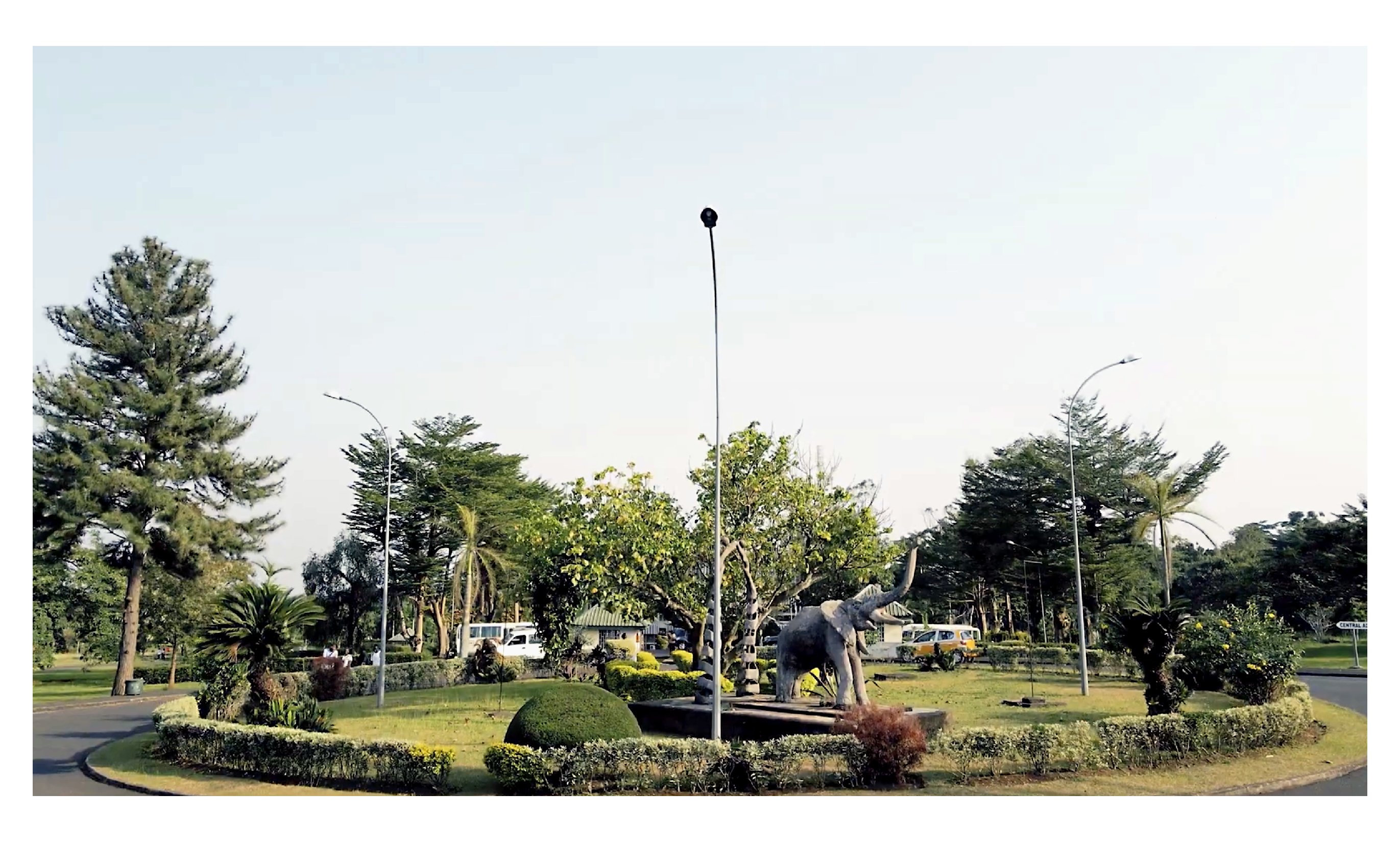
UB Elephant Statue
Campus Landmark

The Elephant Roundabout

Iconic campus landmark at the heart of the University of Buea

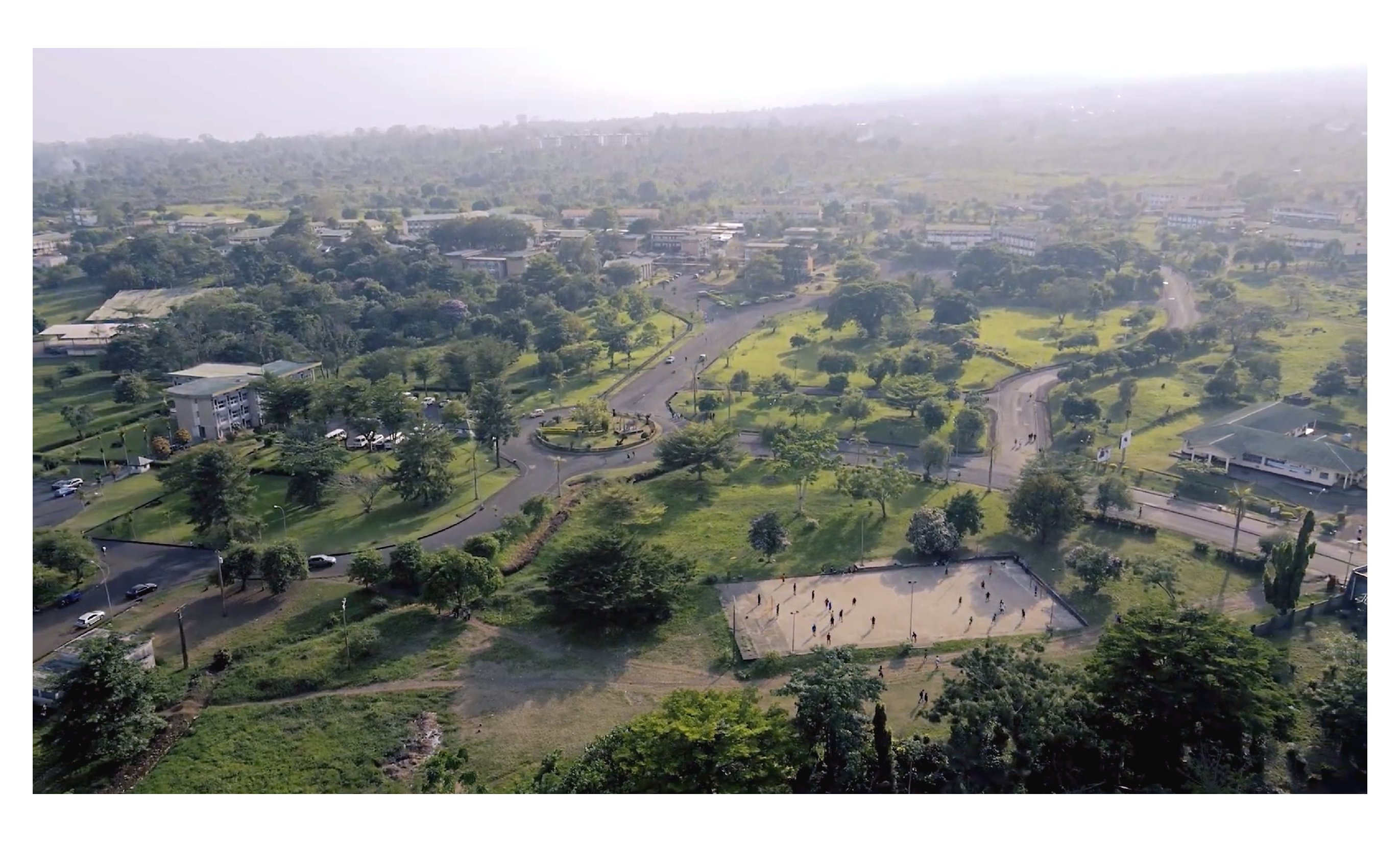
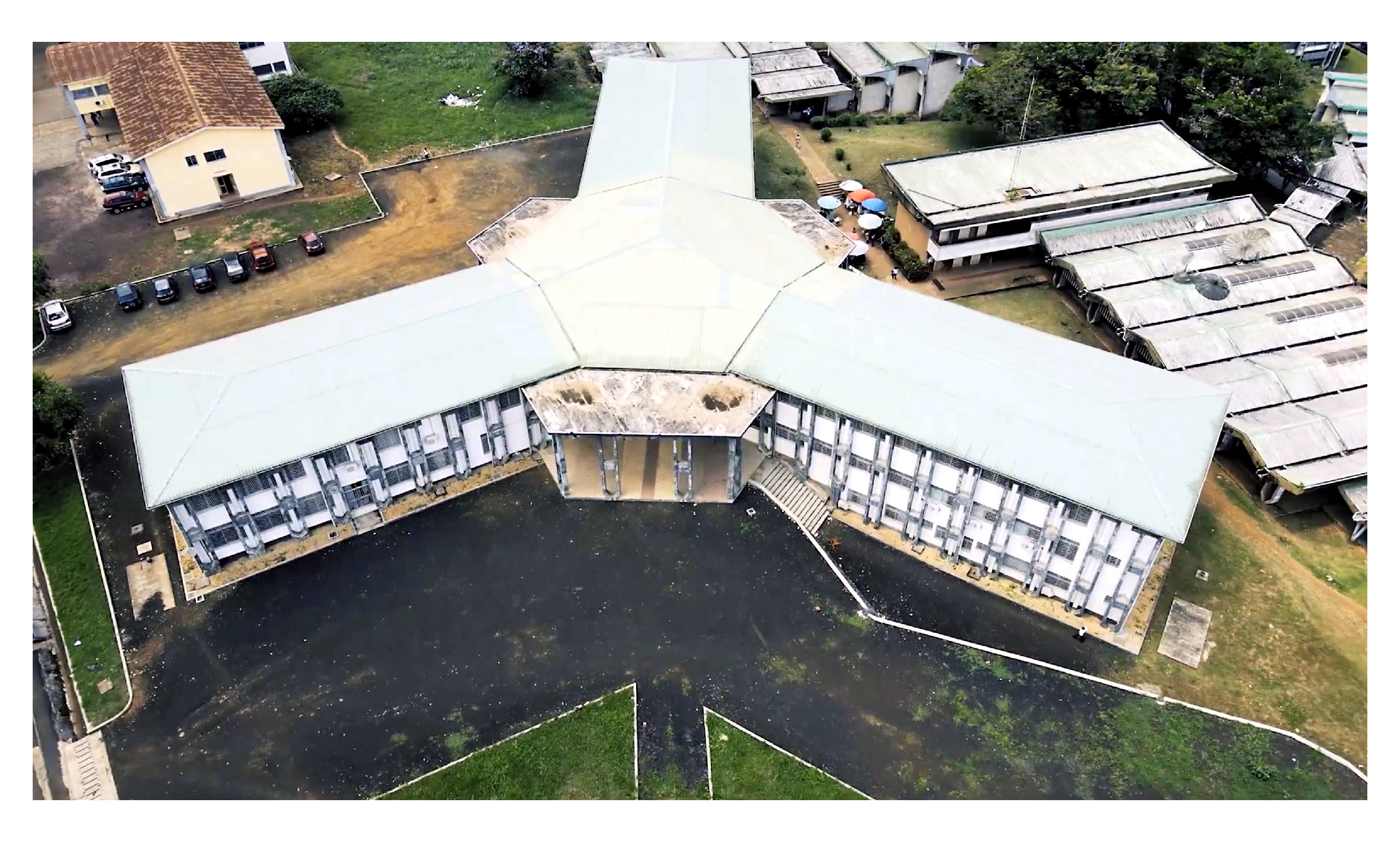
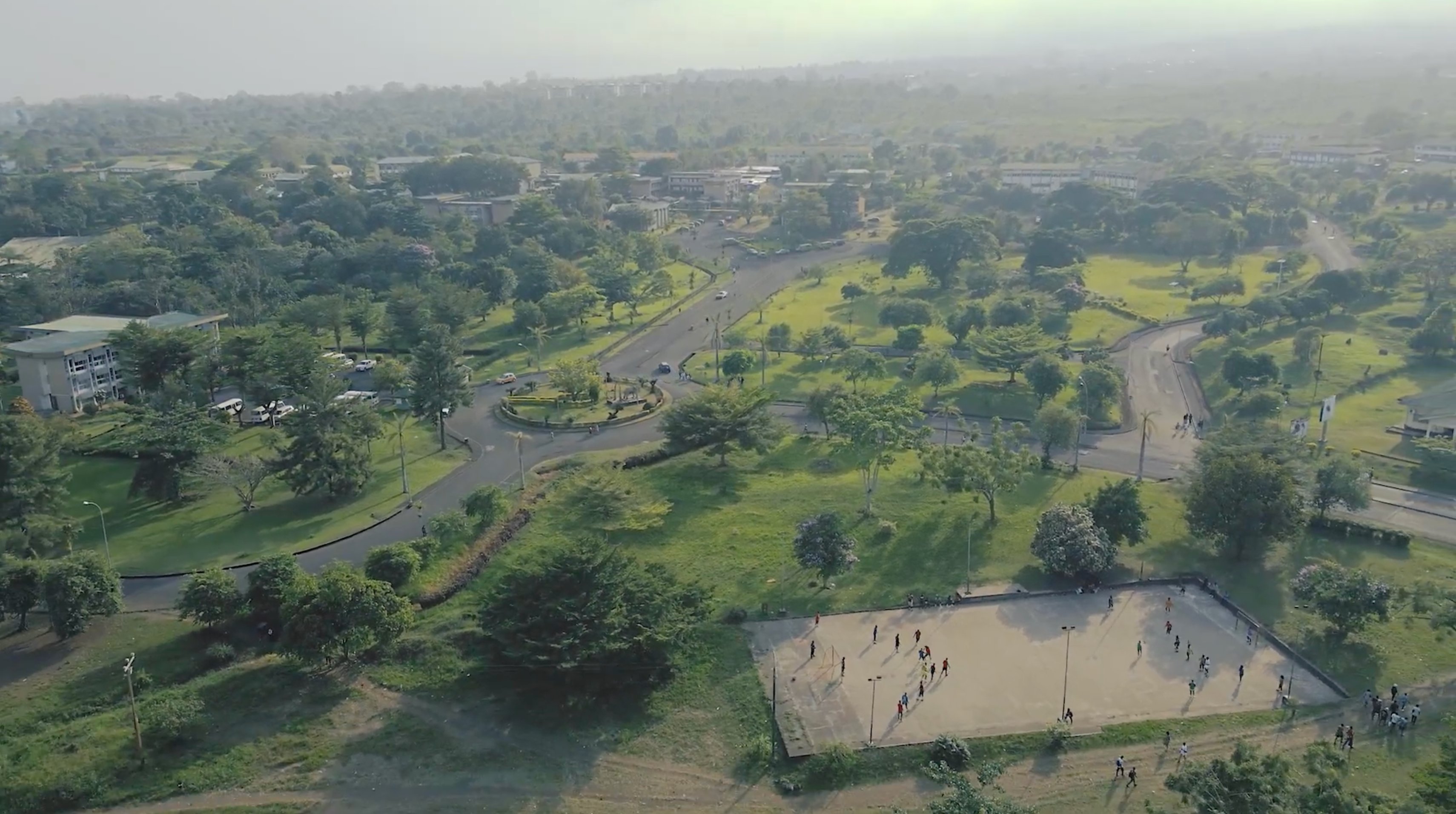
UB Campus Aerial View
Aerial View

The Green Campus

400+ hectares of park-like grounds at the foot of Mount Cameroon

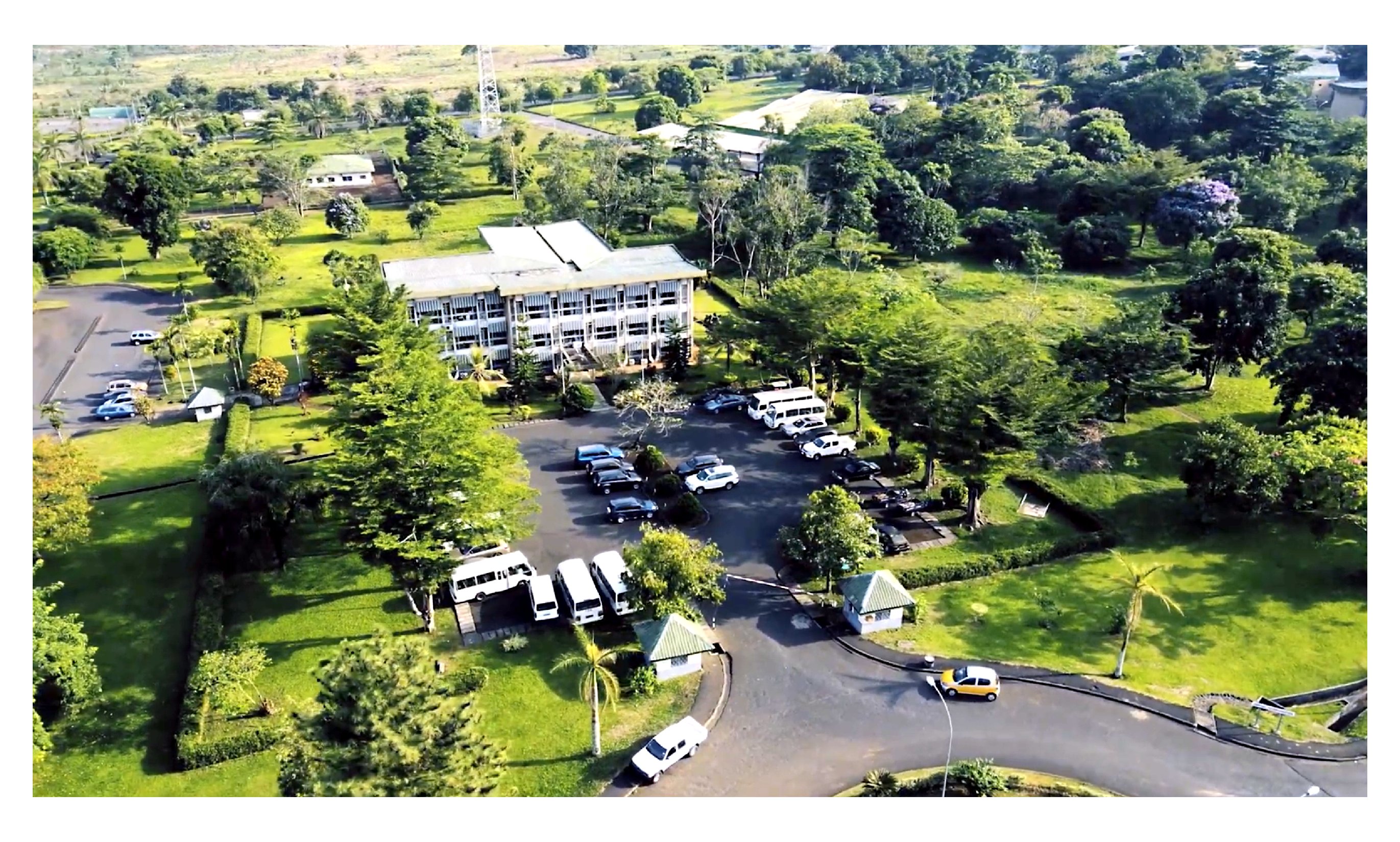
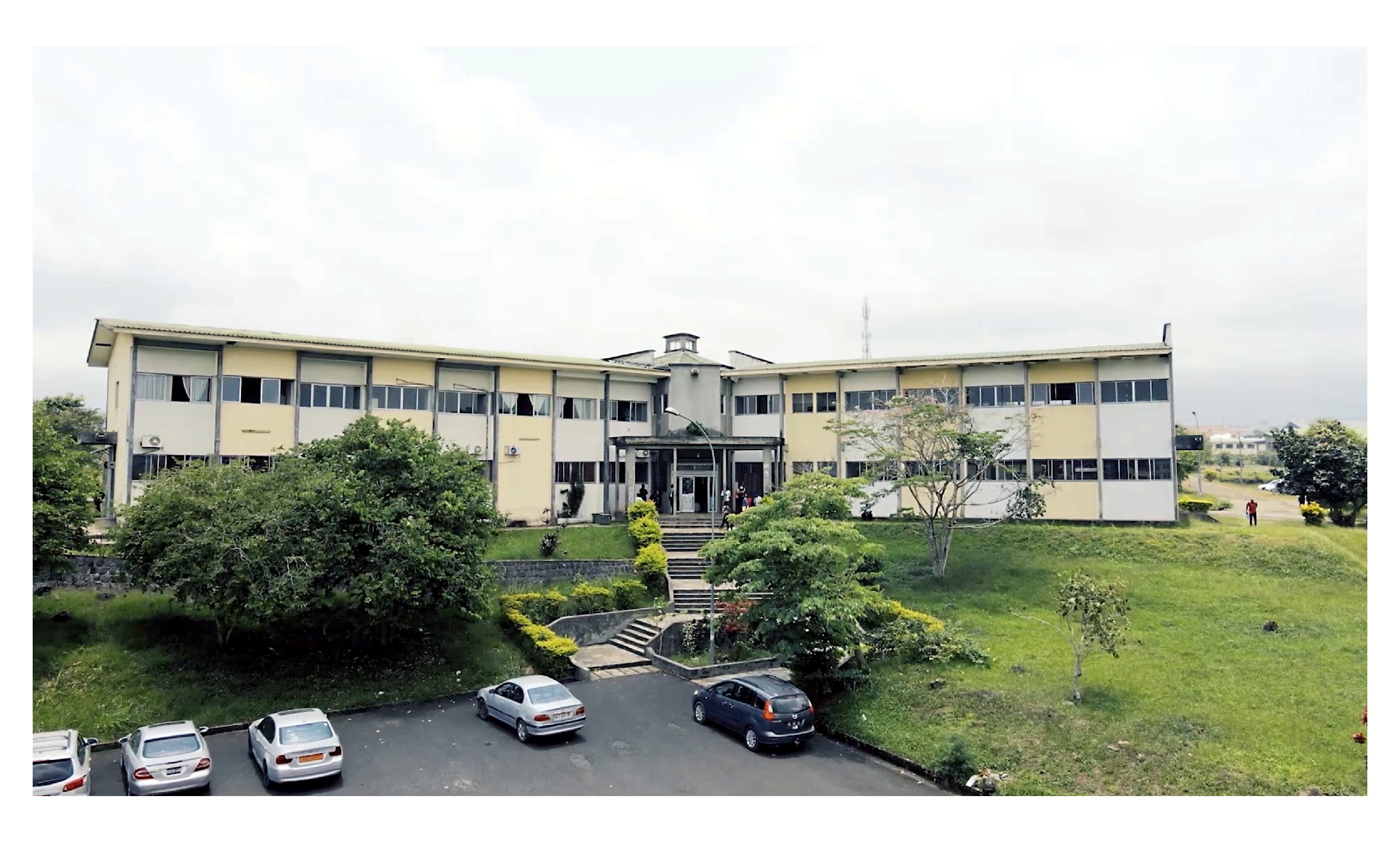
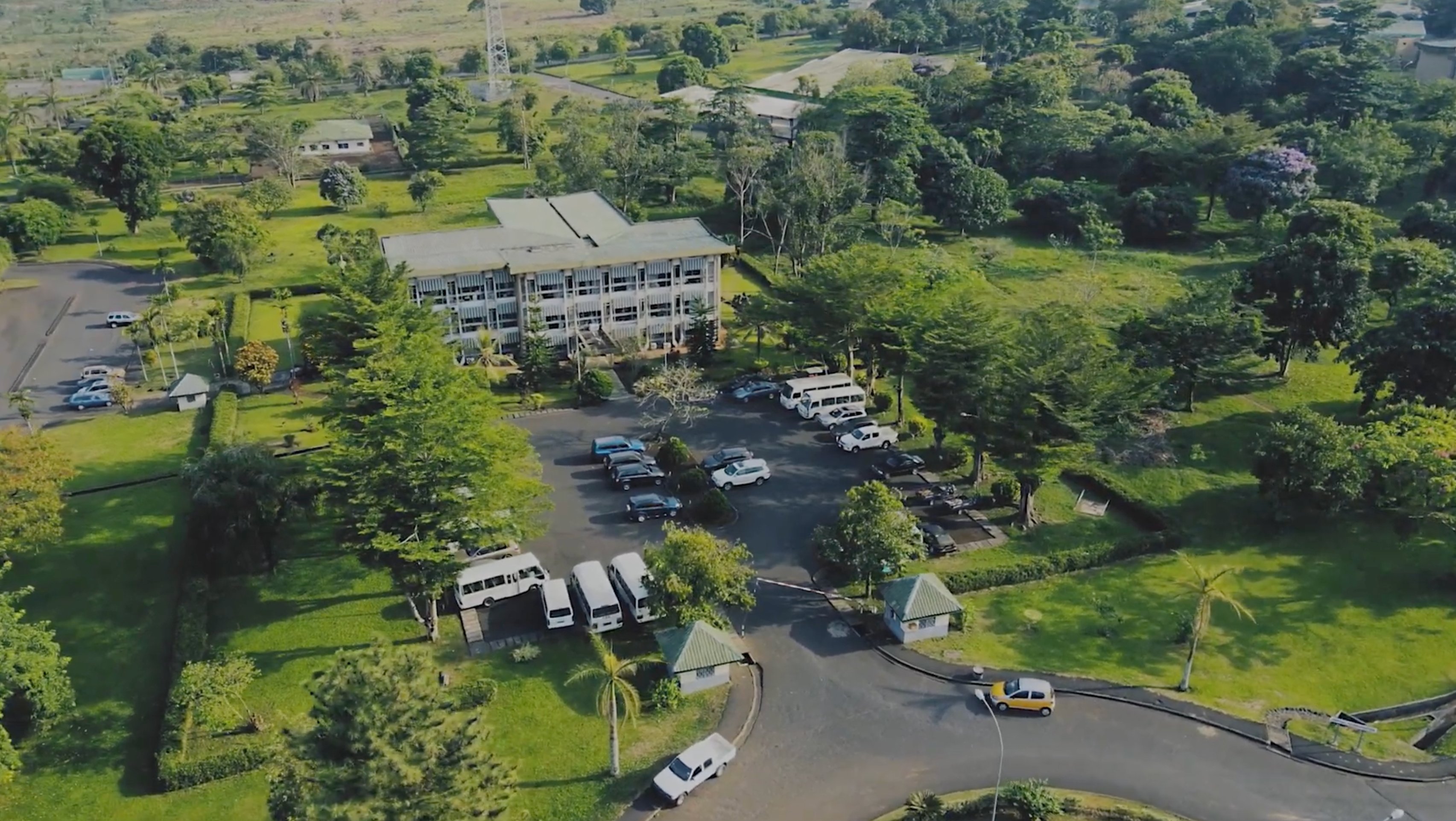
UB Central Administration
Central Administration

Vice Chancellor's Building

The administrative heart of UB, framed by Mount Cameroon

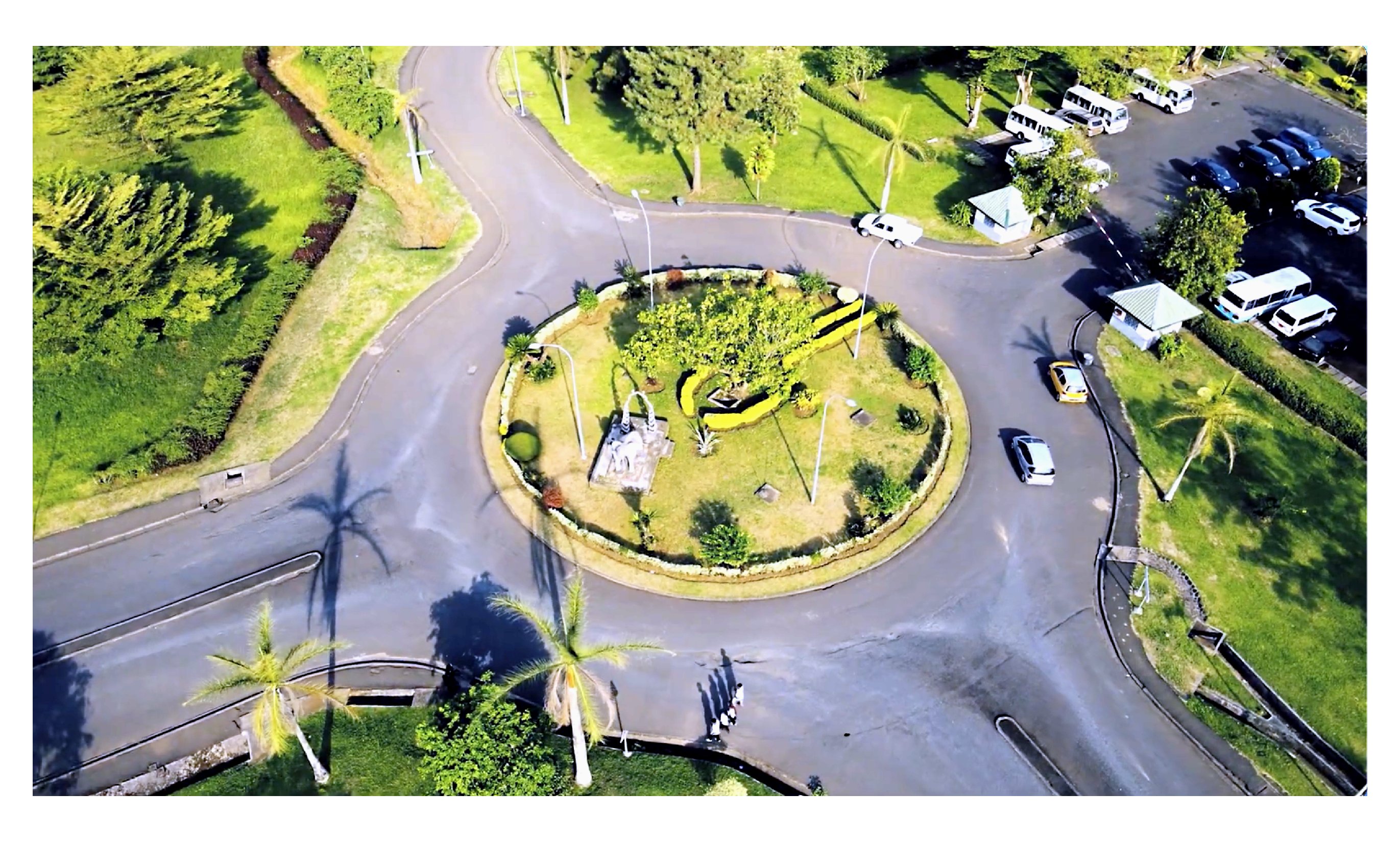
UB Internal Roundpoint
Campus Infrastructure

Campus Roundpoint

Well-maintained roads and grounds across the sprawling campus

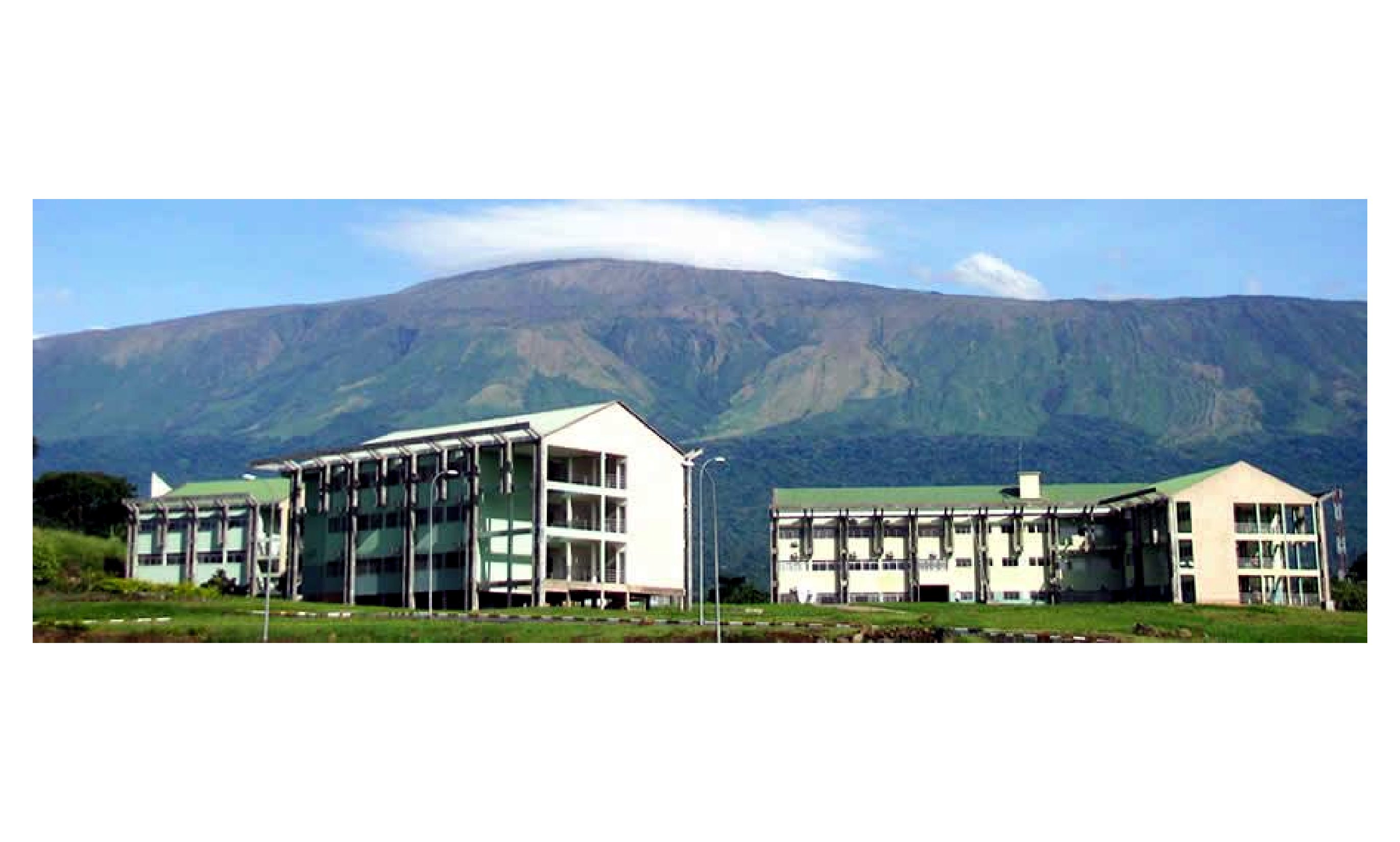
UB Faculty of Health Sciences
Faculty of Health Sciences

FHS Building

Training the next generation of health professionals — Mount Cameroon behind

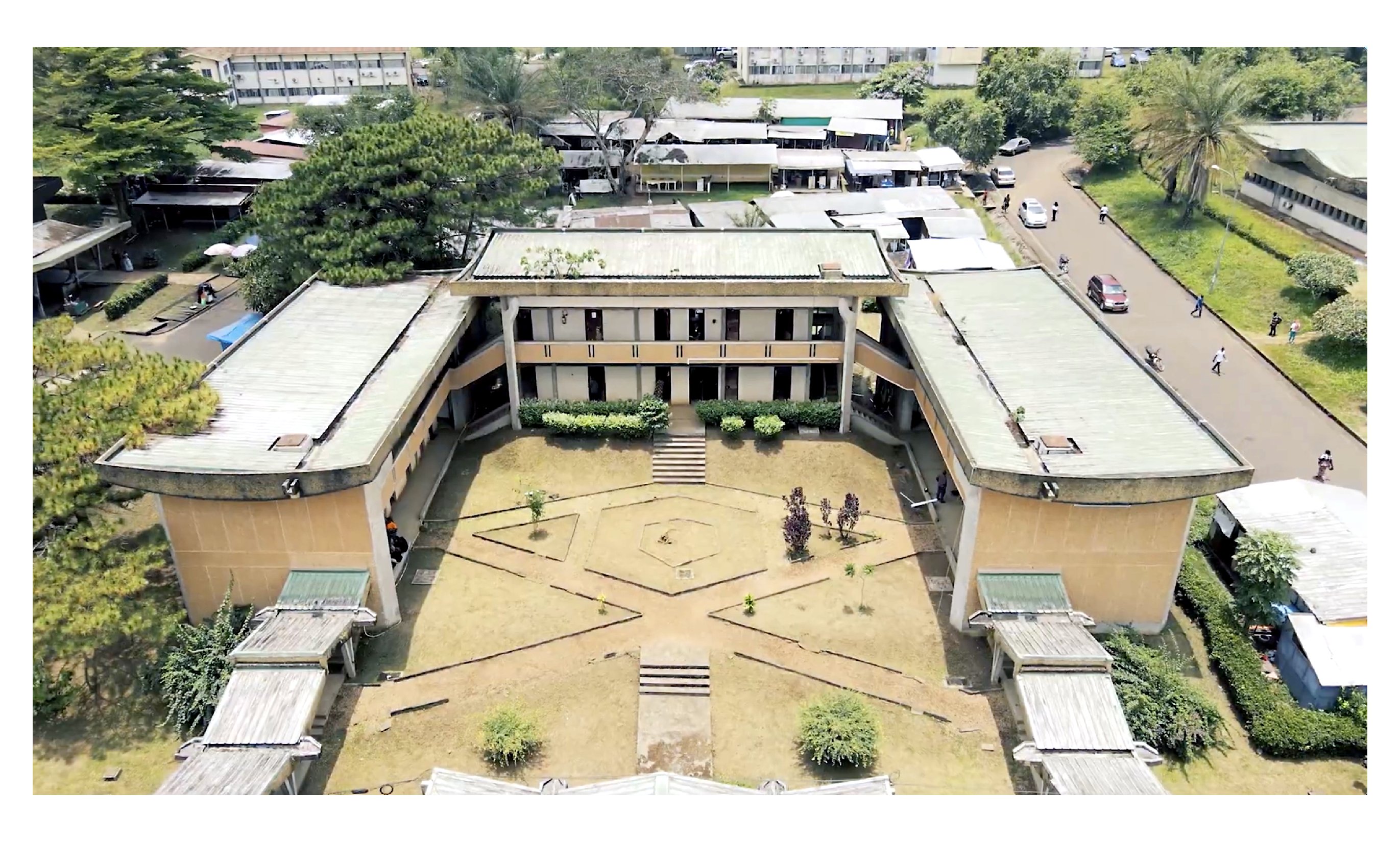
UB Library
Academic Resources

University Library

One of Central Africa's most comprehensive academic libraries

UB HTTC Building
Higher Teacher Training College

HTTC Building

Training educators for Cameroon's Anglophone secondary schools

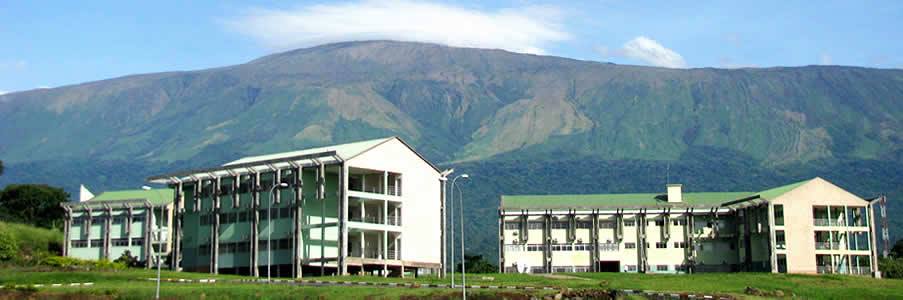
UB ASTI Building
Advanced School of Translators & Interpreters

ASTI — With Mount Cameroon

Language and translation excellence, set against the iconic volcanic landscape

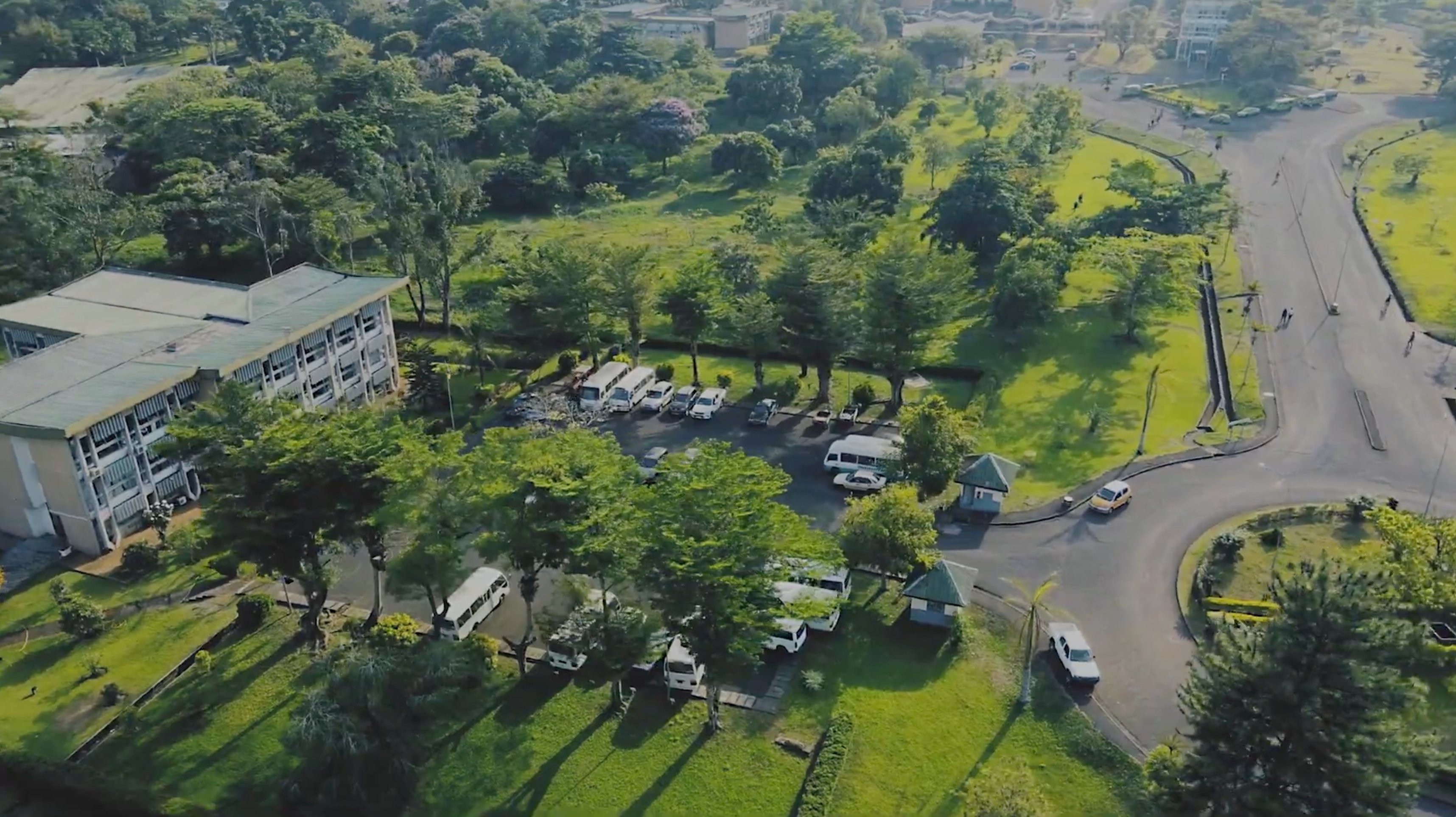
UB Second Gate
Secondary Entrance

Second Campus Gate

Tree-lined approach to one of Cameroon's most beautiful campuses

Come for the Science.
Stay for the Wonder.

Register for CBS 2026 and experience world-class biological sciences research in one of Africa's most extraordinary natural settings. Conference excursions to Limbe Wildlife Centre, Mount Cameroon, and the Atlantic coast will be organised for all registered delegates.